Frequently searched keywords:
Frequently searched keywords:


Haber tarihi: 25/11/2026
Last update date: 25.11.2026
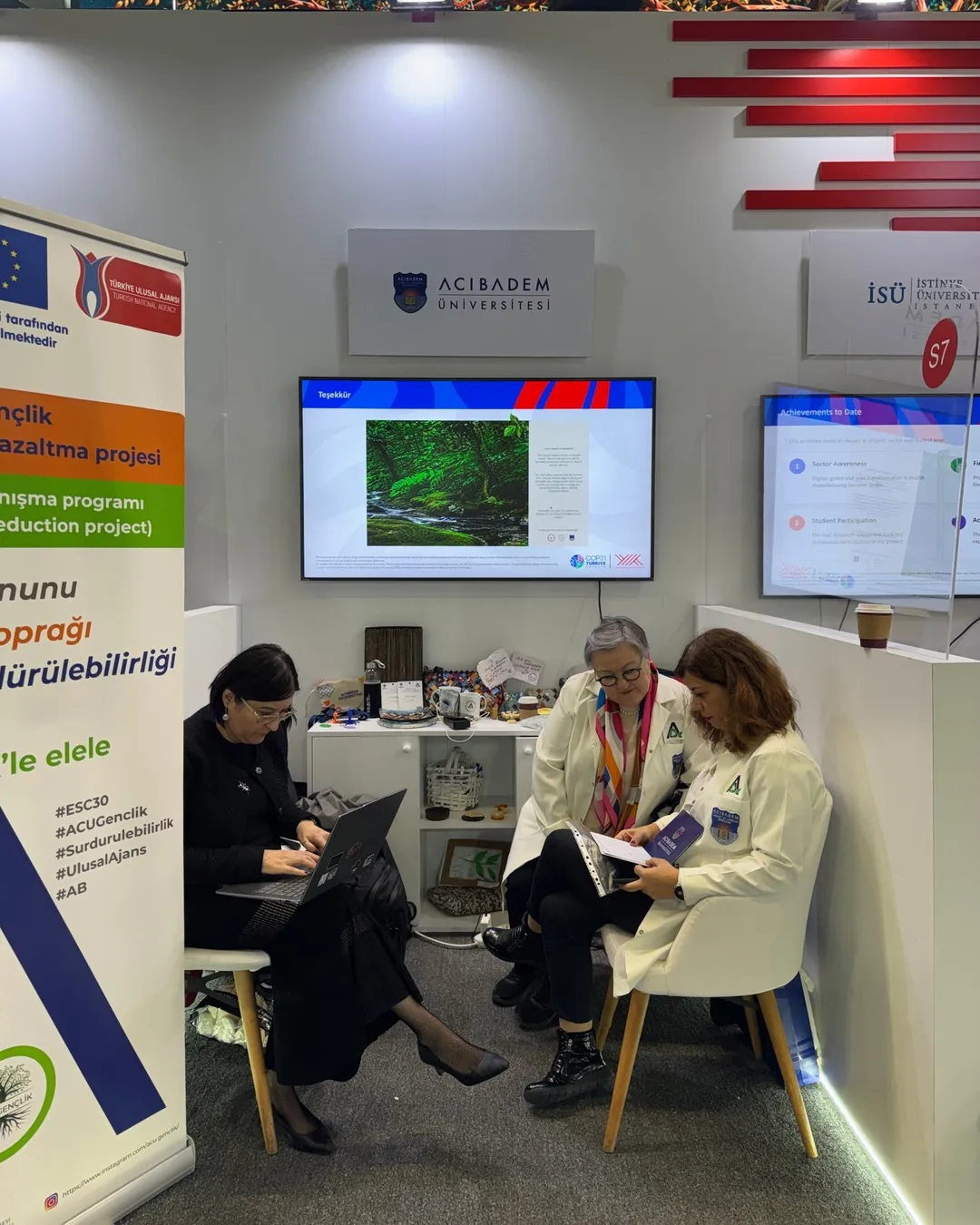
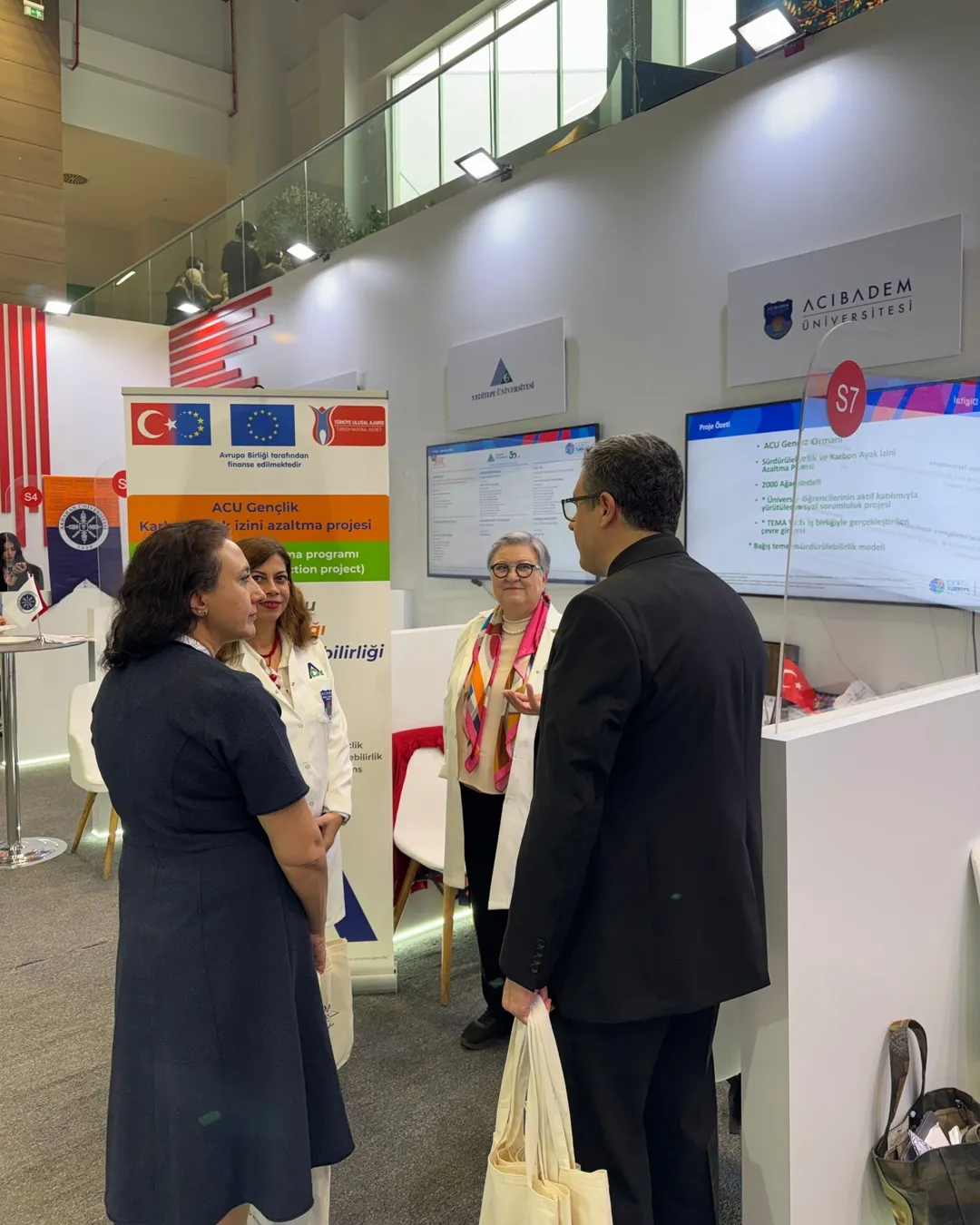
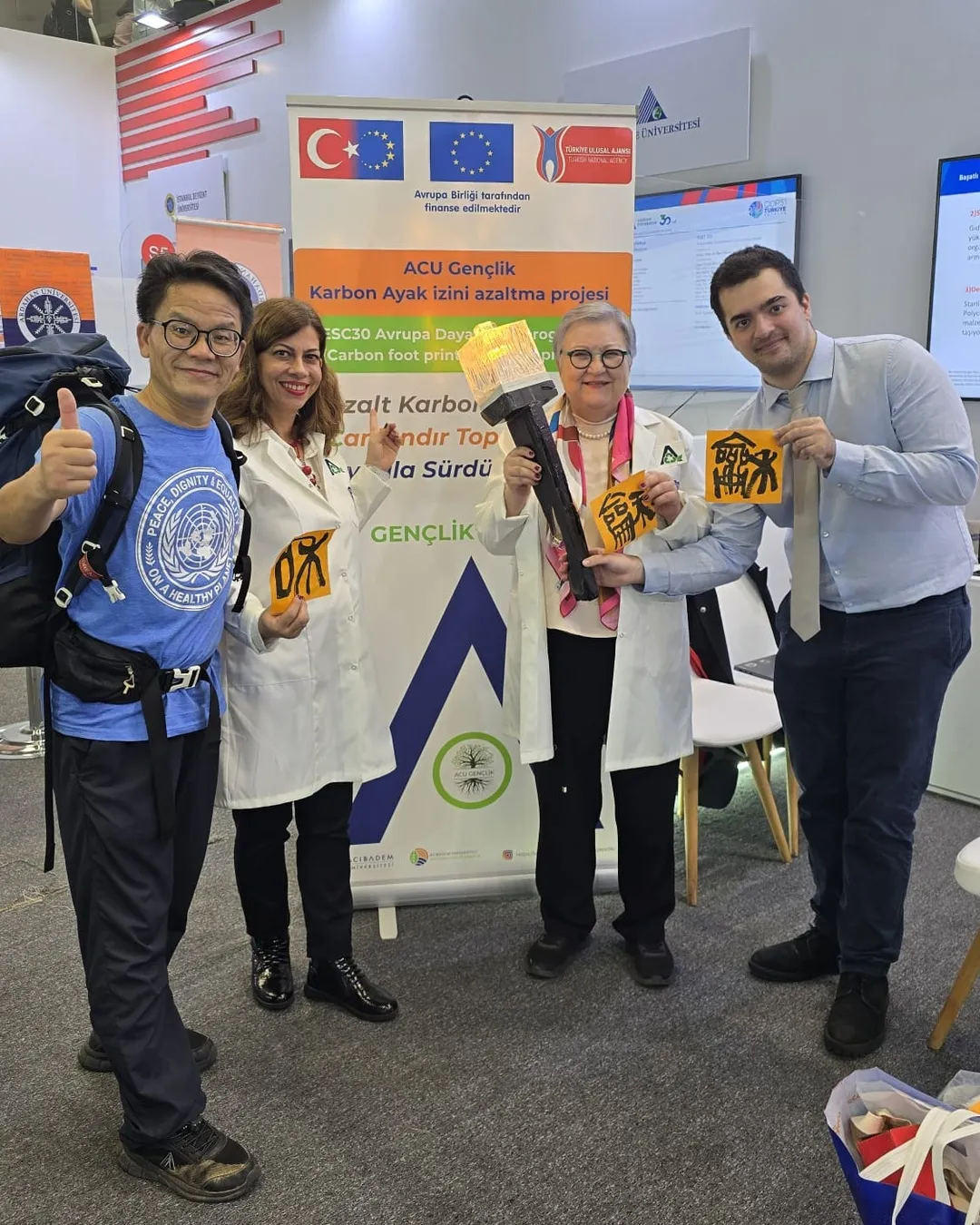
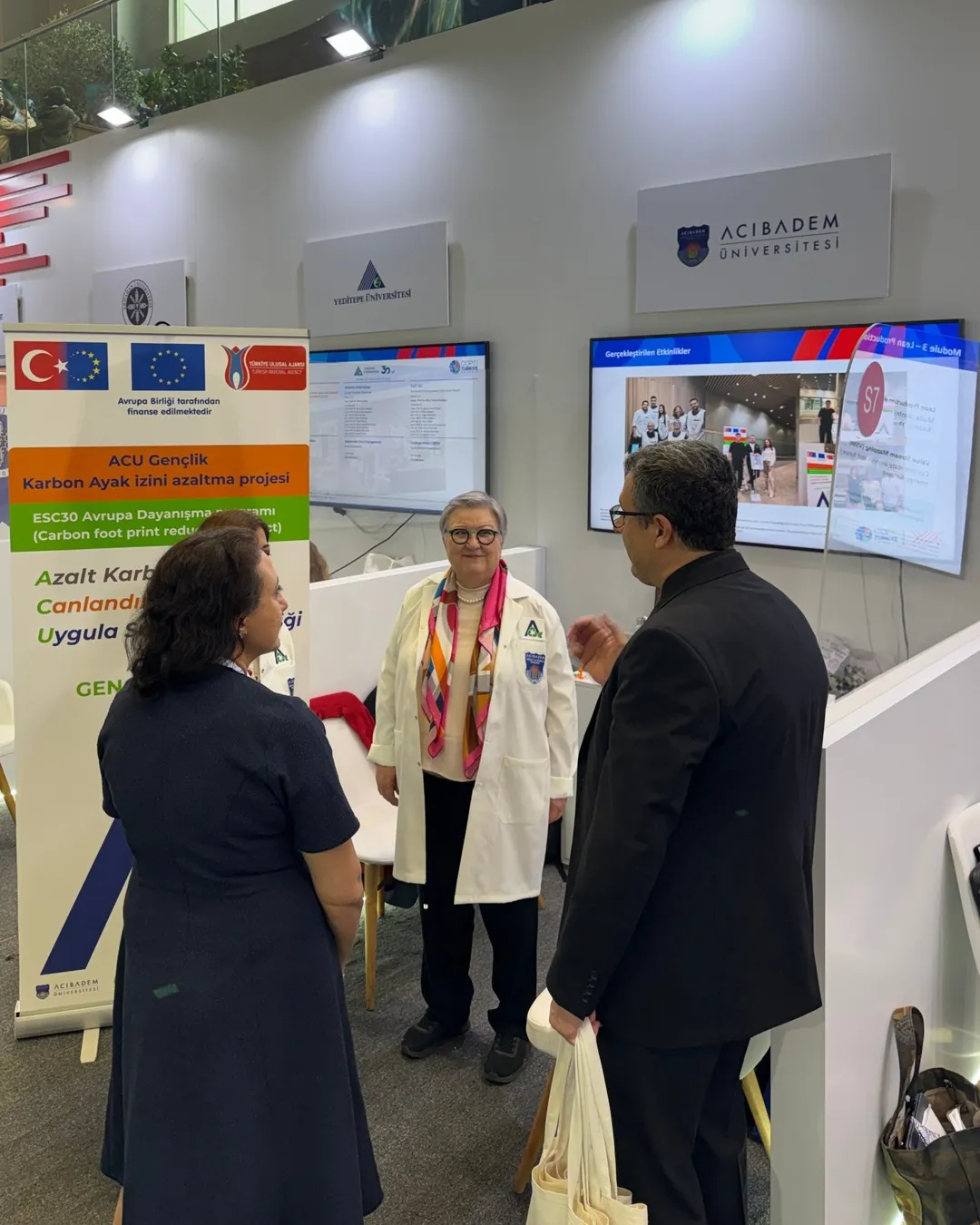
At the COP31 Green Zone events held in Antalya on 20 November, Acıbadem University presented seven projects developed in the fields of renewable energy, circular economy, green education, artificial intelligence, and sustainability in healthcare to participants.
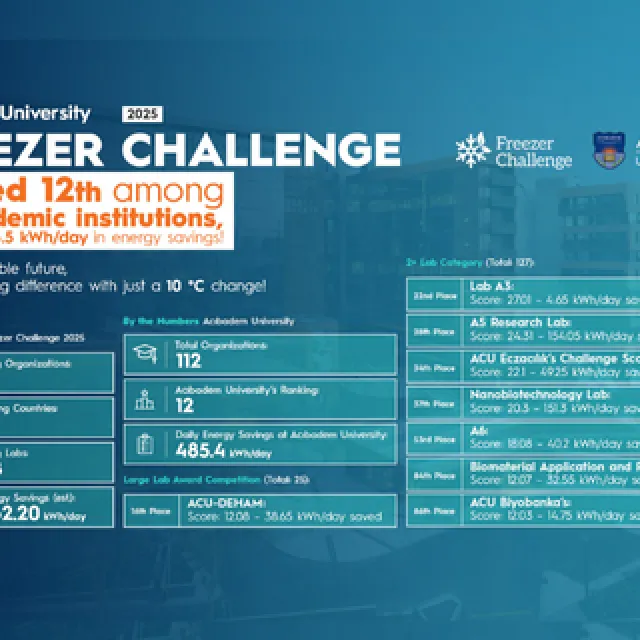
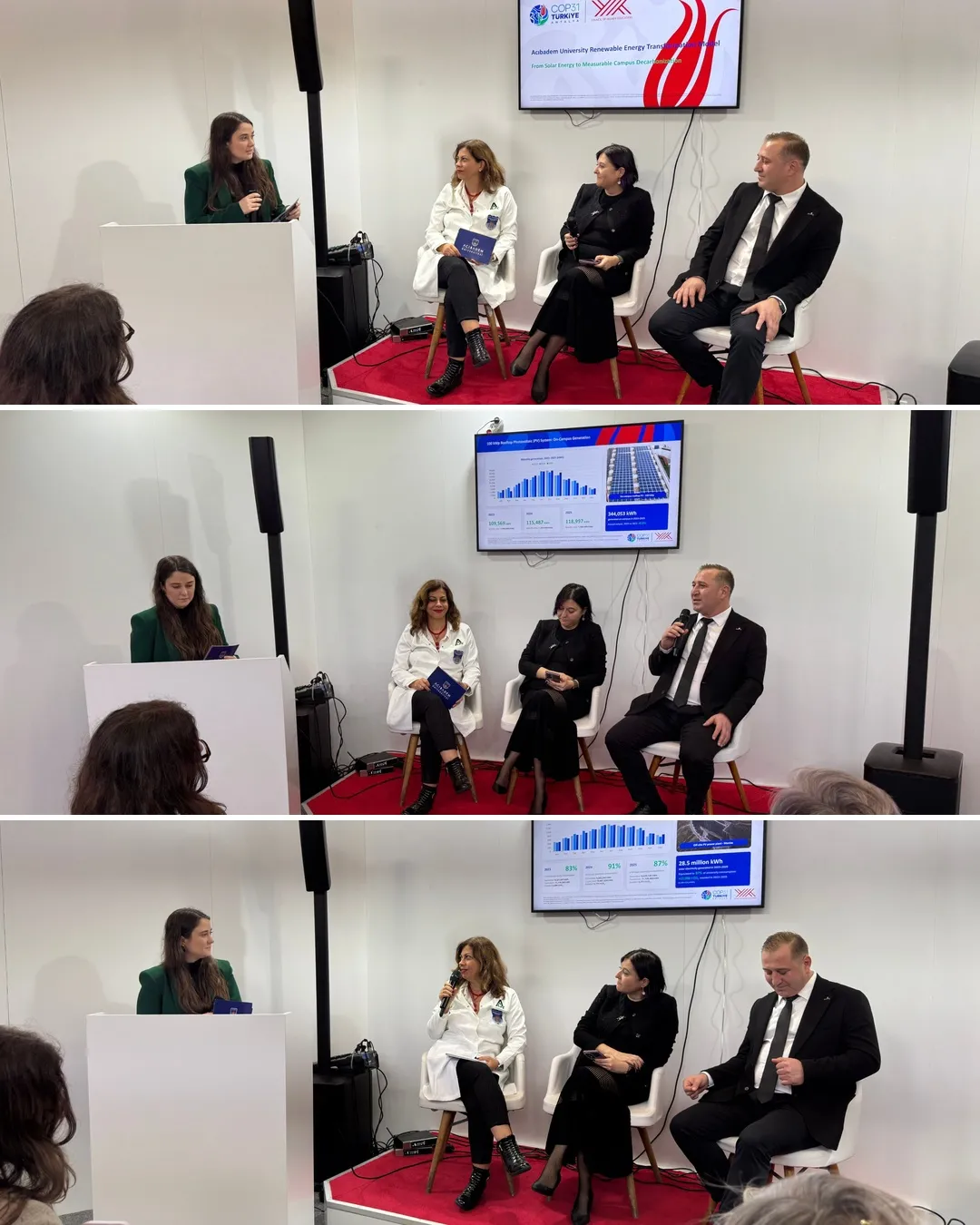
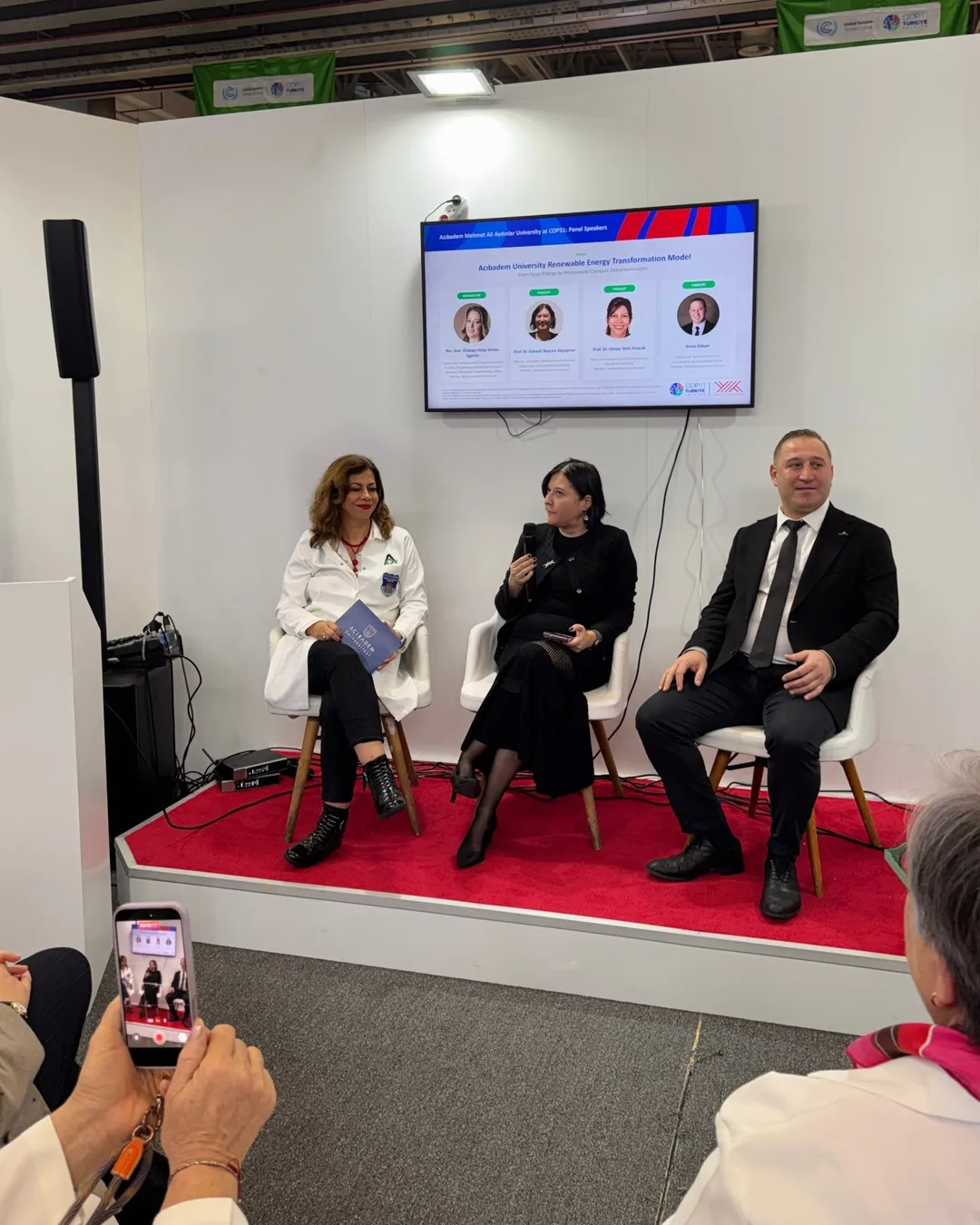
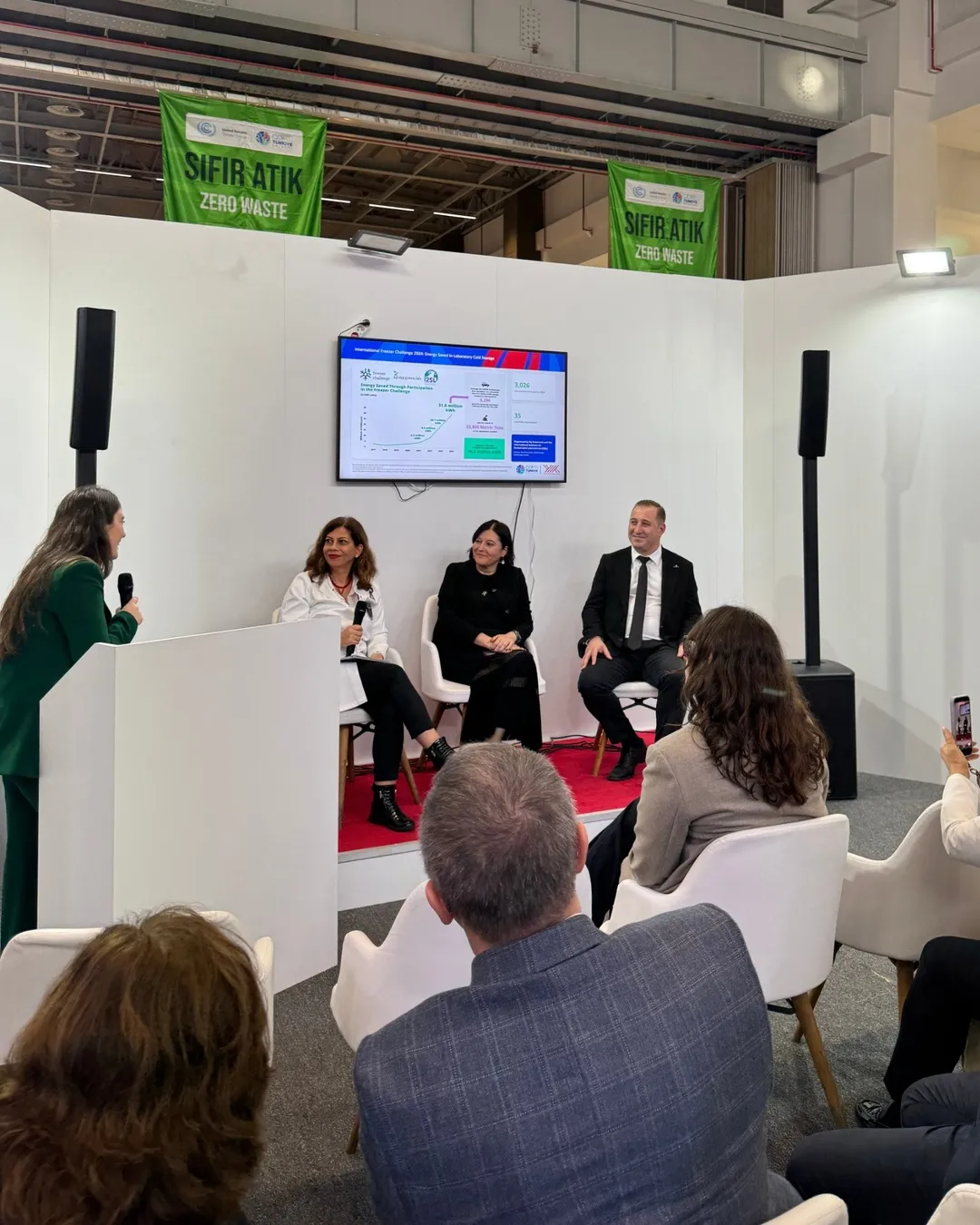
At our panel titled “Acıbadem University Renewable Energy Transformation Model: From Solar Energy to Measurable Campus Decarbonization,” Prof. Günseli Bayram Akçapınar, Director of the Graduate School of Health Sciences; Prof. Günay Yetik Anacak, Chair of the Department of Pharmacology at the Faculty of Pharmacy; and Emre Özkan, Technical Services Manager and Sustainability Office Coordinator, participated as speakers. The panel was moderated by Research Assistant Özdeyiş Hülya Yılmaz-İşgördü. The panel addressed our University’s renewable energy investments and the measurement of their environmental impacts using scientific methods. Prof. Günay Yetik Anacak continued her talk by giving examples of energy savings and environmental impacts, with a particular emphasis on the University management’s commitment to sustainability. These examples included reducing energy consumption by raising deep-freezer temperatures from −80°C to −70°C, monitoring the energy use of other equipment, and enhancing environmental impact and awareness through the botanical garden and subsequent sapling-planting projects.
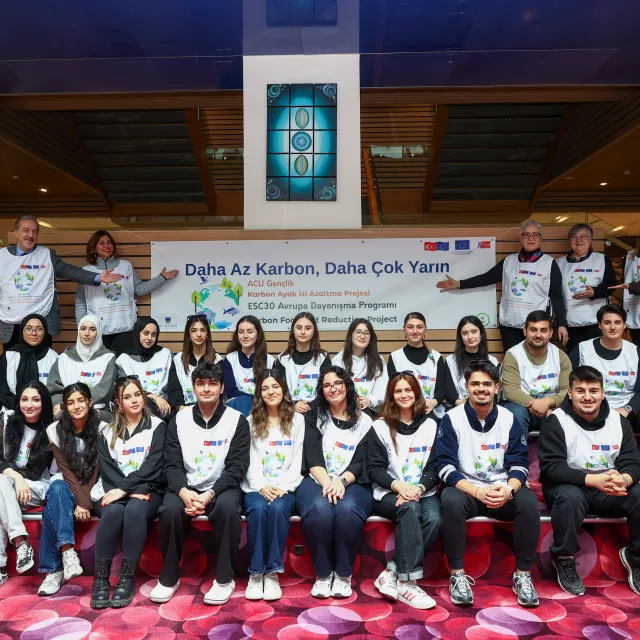
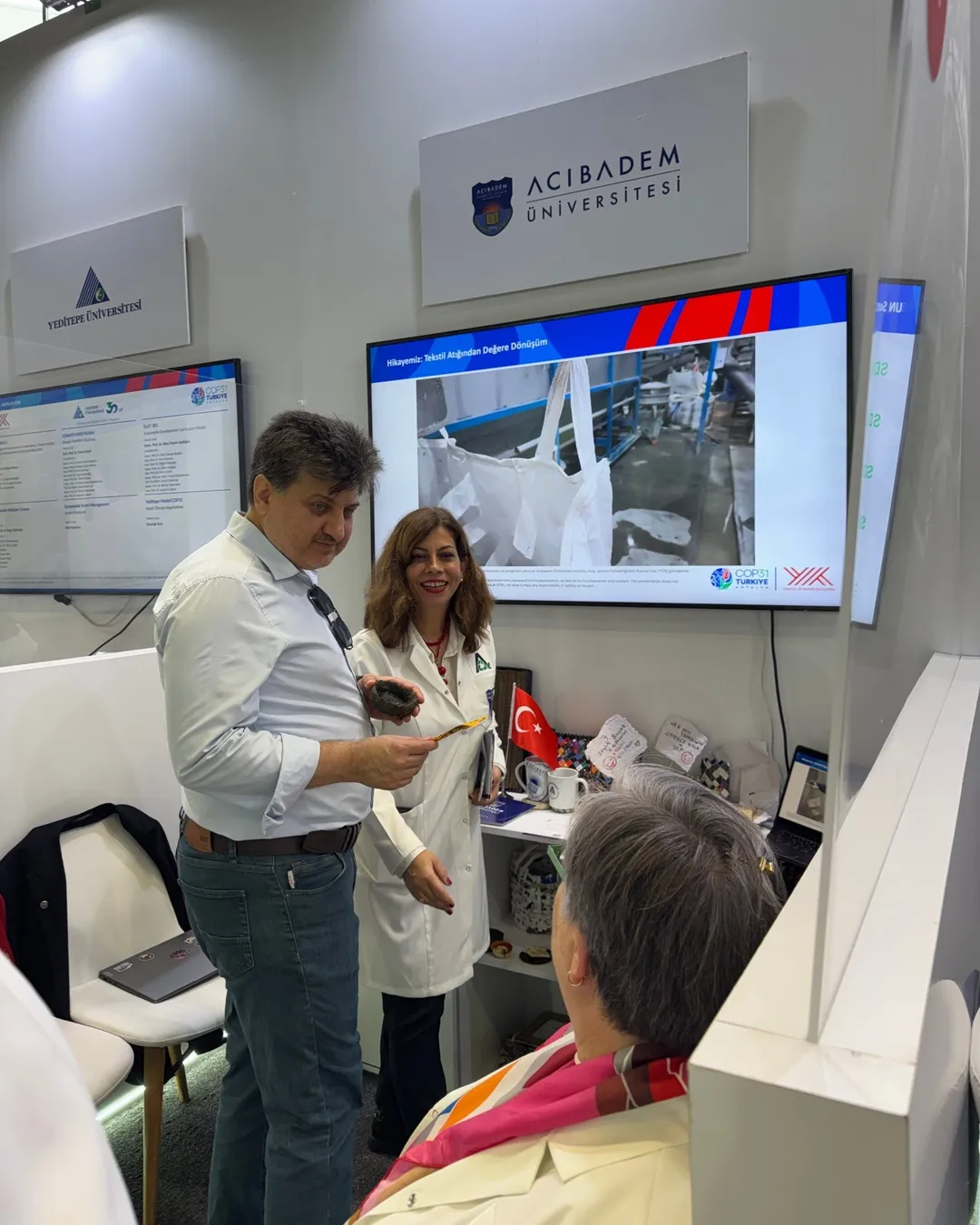
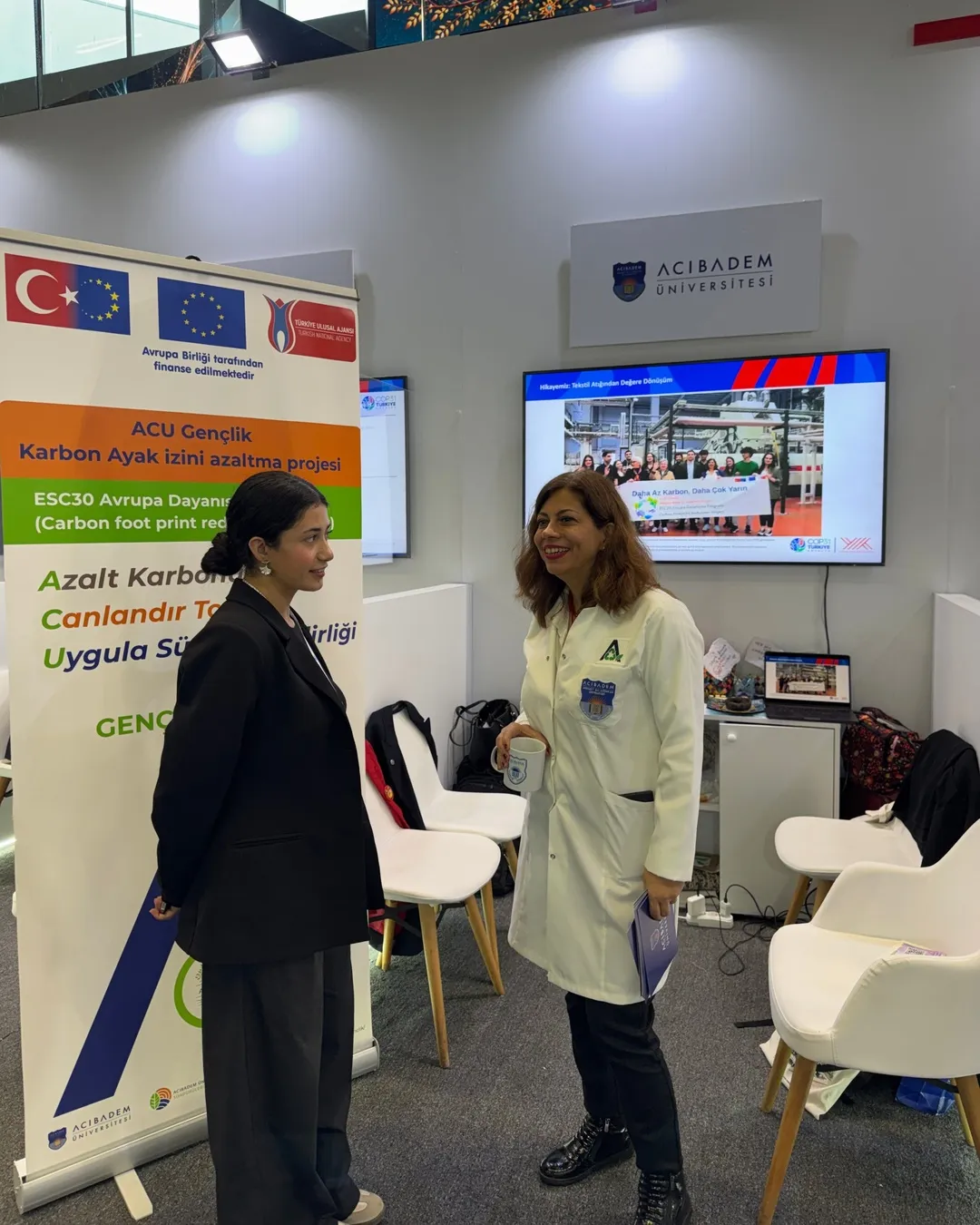
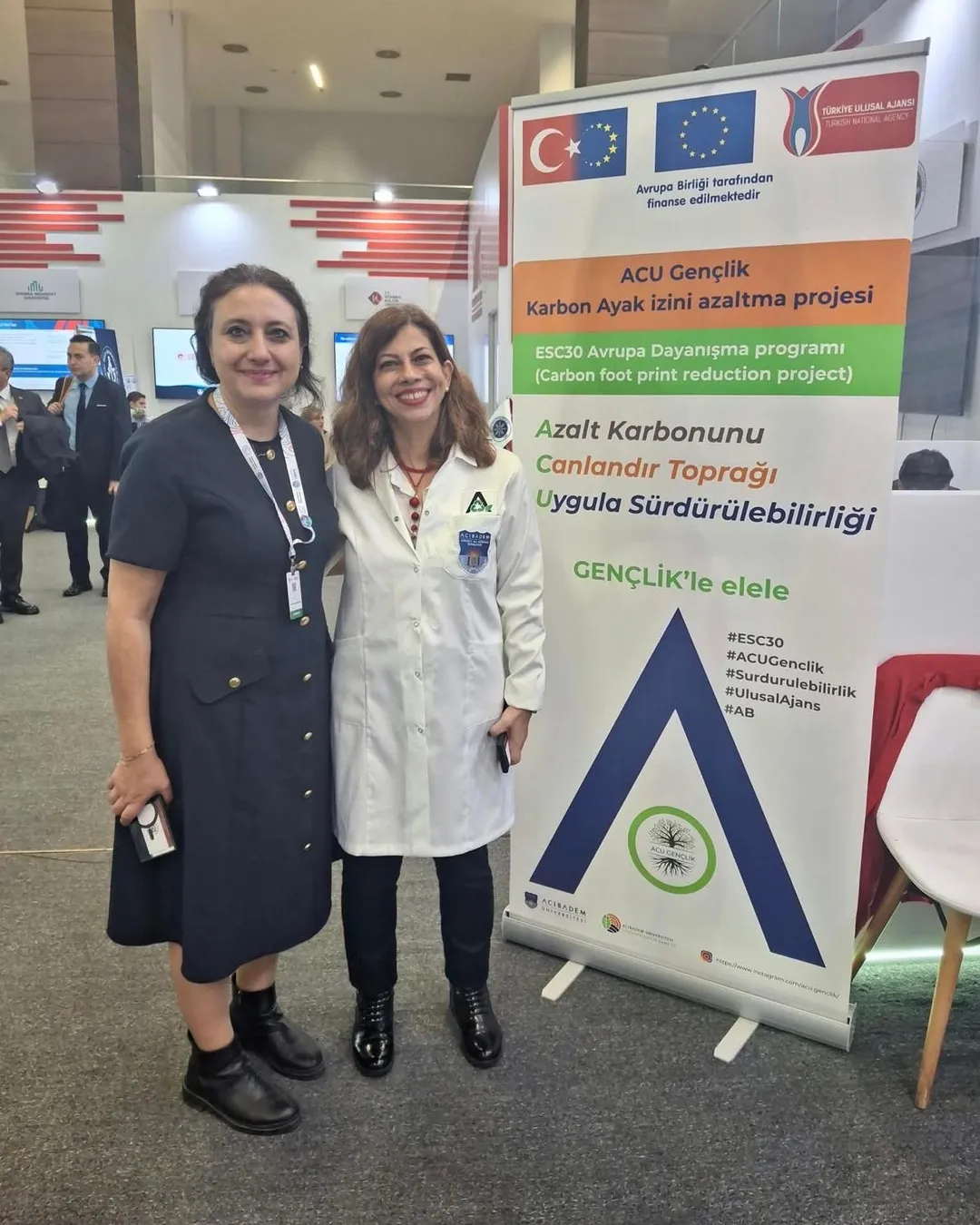
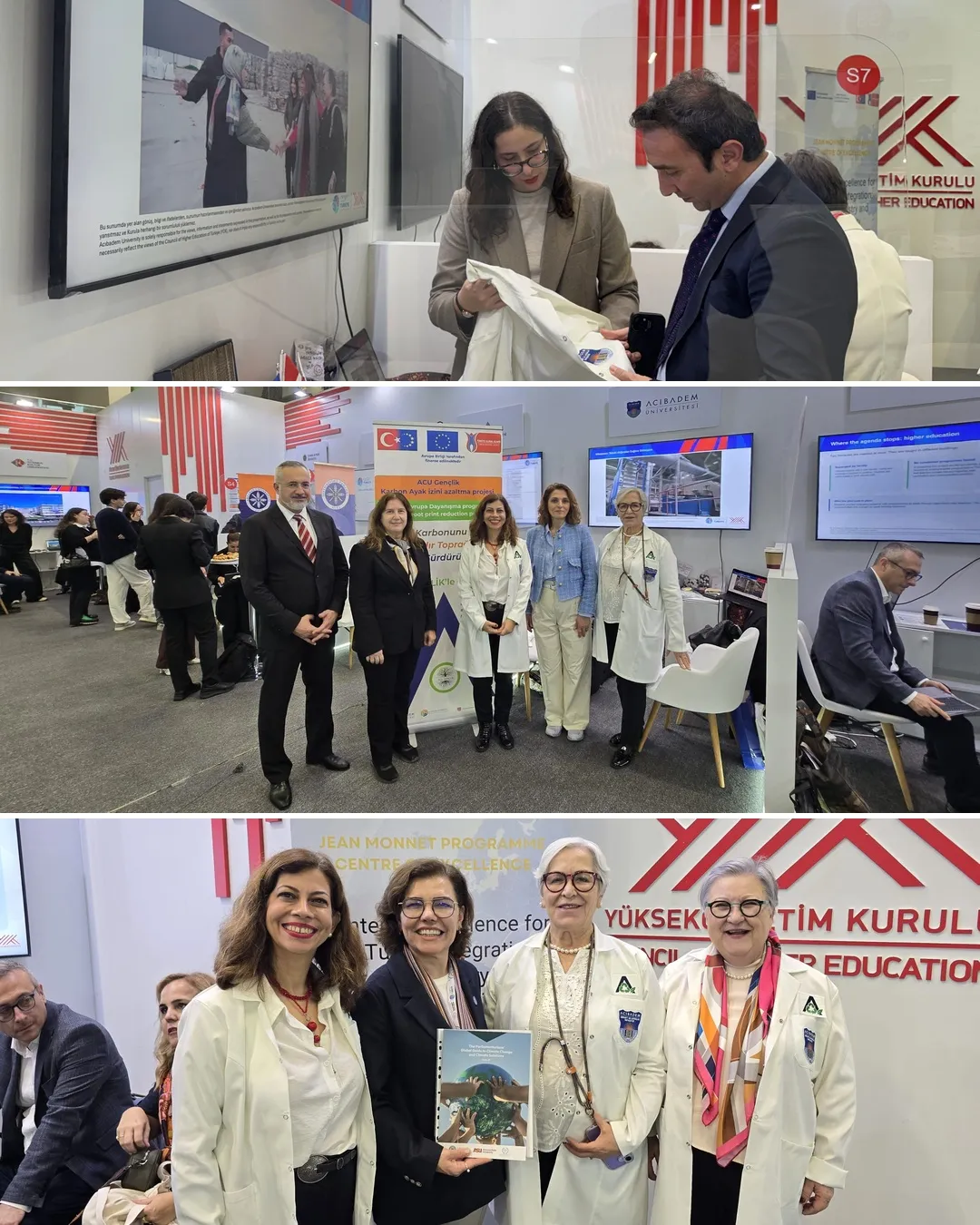
At our project booth, we showcased videos of sustainability projects by Prof. Günay Yetik Anacak, Fatma Akgün, Assist. Prof. Yasemin Uzuner, and Acıbadem Upcycle Club founder Duru Kurnaz as part of the ACU Youth “Actions for a Carbon-free Universe” initiative under the European Solidarity Corps (ESC30). We presented the “Plastic to Lab Coat” project, in which collected PET bottles were recycled into flakes and then turned into yarn and fabric in collaboration with three companies (Başatlı Boru, Korteks, and Zorlu Holding). The resulting lab coats were worn at COP31. We also launched the ACU Youth Climate Forest campaign, which reached its target of collecting 2,000 saplings, and presented a series of “From Waste to Value” initiatives: transforming pharmaceutical packaging waste into artworks; used cooking oil into soap; waste paper into recycled paper and upcycled products such as bags, pencil holders, and phone cases; used coffee grounds into ceramic-like vessels; and used textiles into new items, as well as crafting charger plates using the paper-folding (pliage) technique. We also featured “Green Education: TÜBİTAK 2237 Scientific Project Writing Training,” a plastic-free educational initiative coordinated by Prof. Günay Yetik Anacak, which highlighted how drug repositioning strategies and rational drug use can contribute to sustainability in pharmaceutical research.
We also presented our sustainable practices as part of “Green Conference: HIBIT 2026” (19th International Symposium on Health Informatics and Bioinformatics), overseen by Prof. Günseli Bayram Akçapınar. These practices include digitalization in scientific events, reducing the use of printed materials, and prioritizing recycled materials.
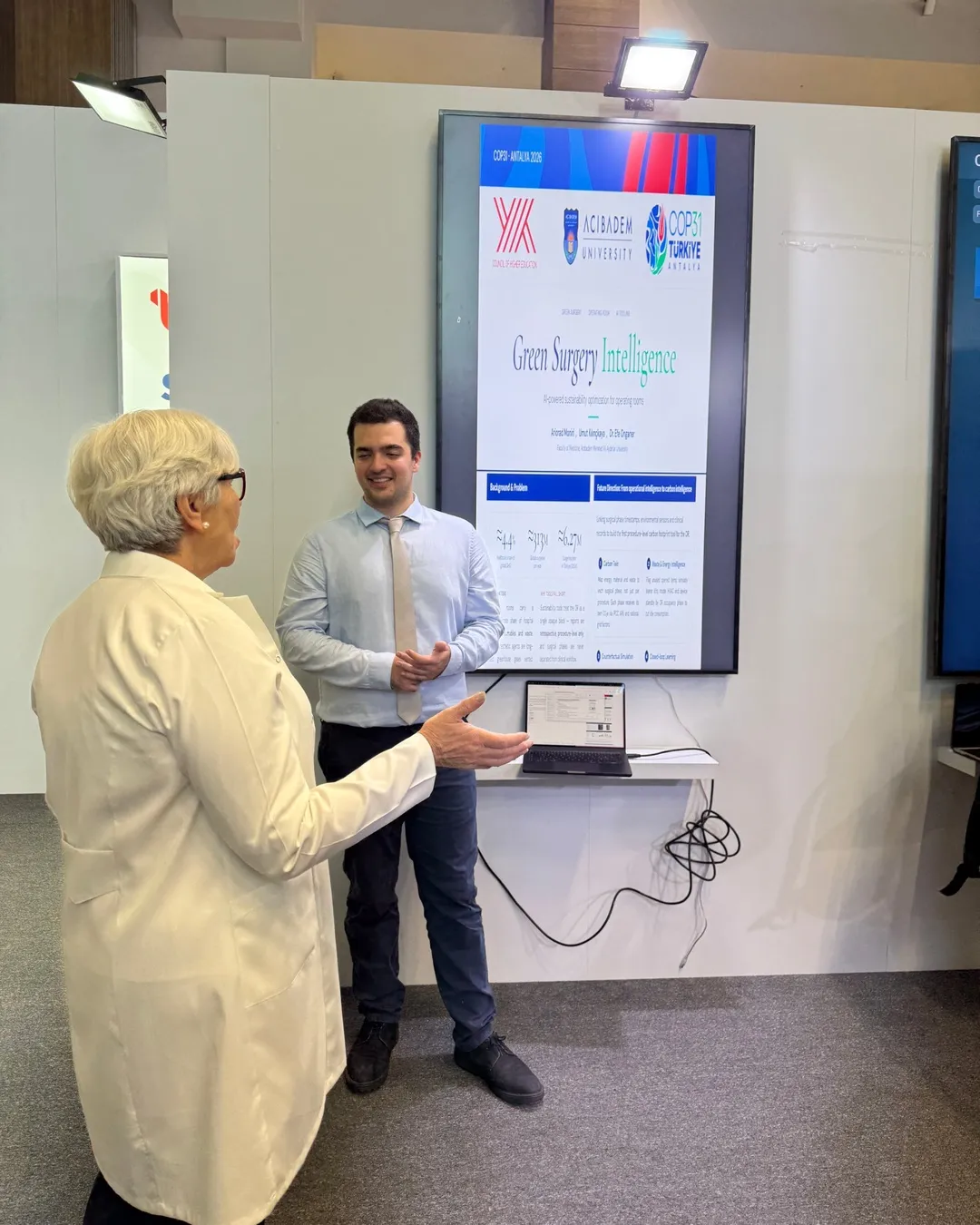
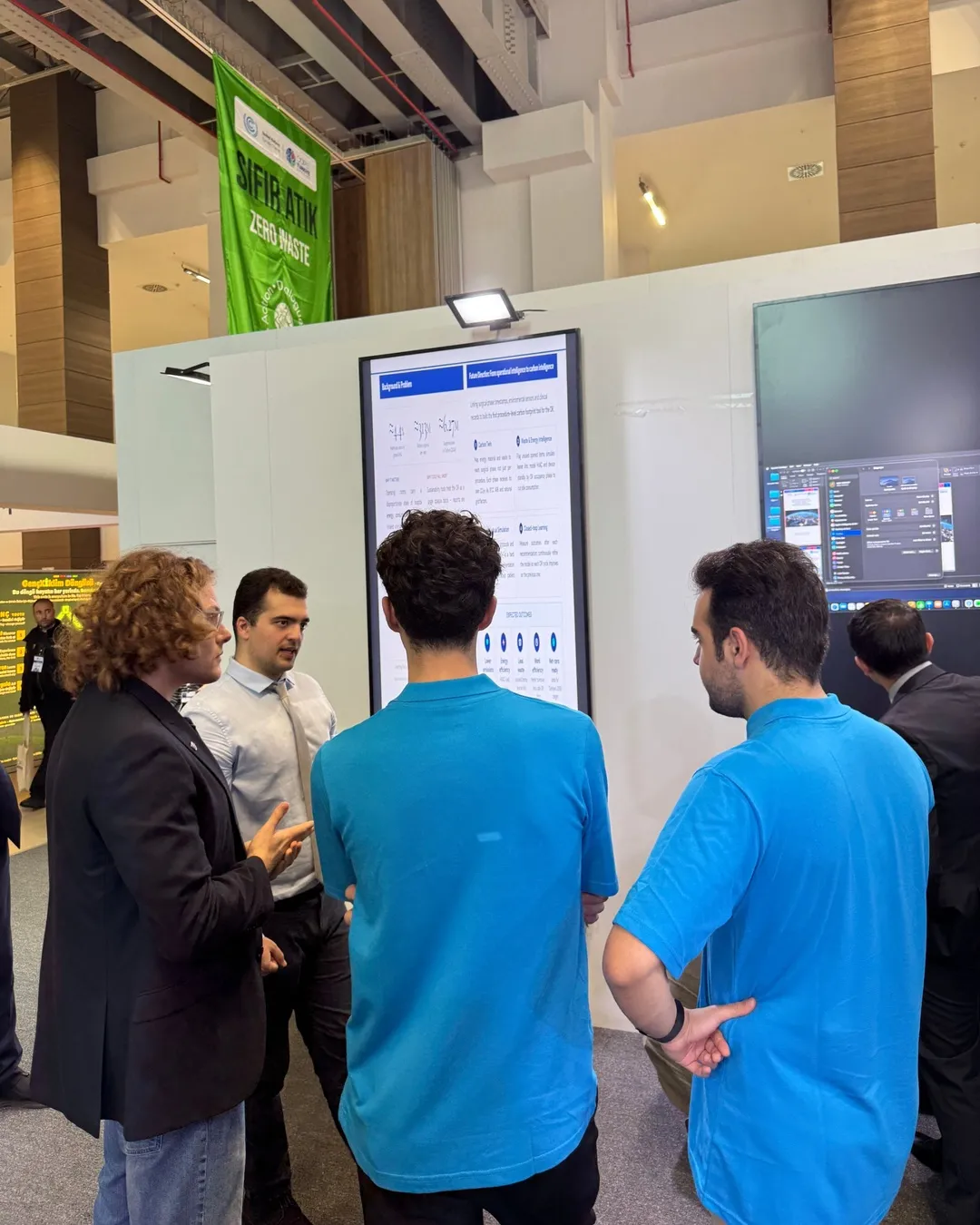
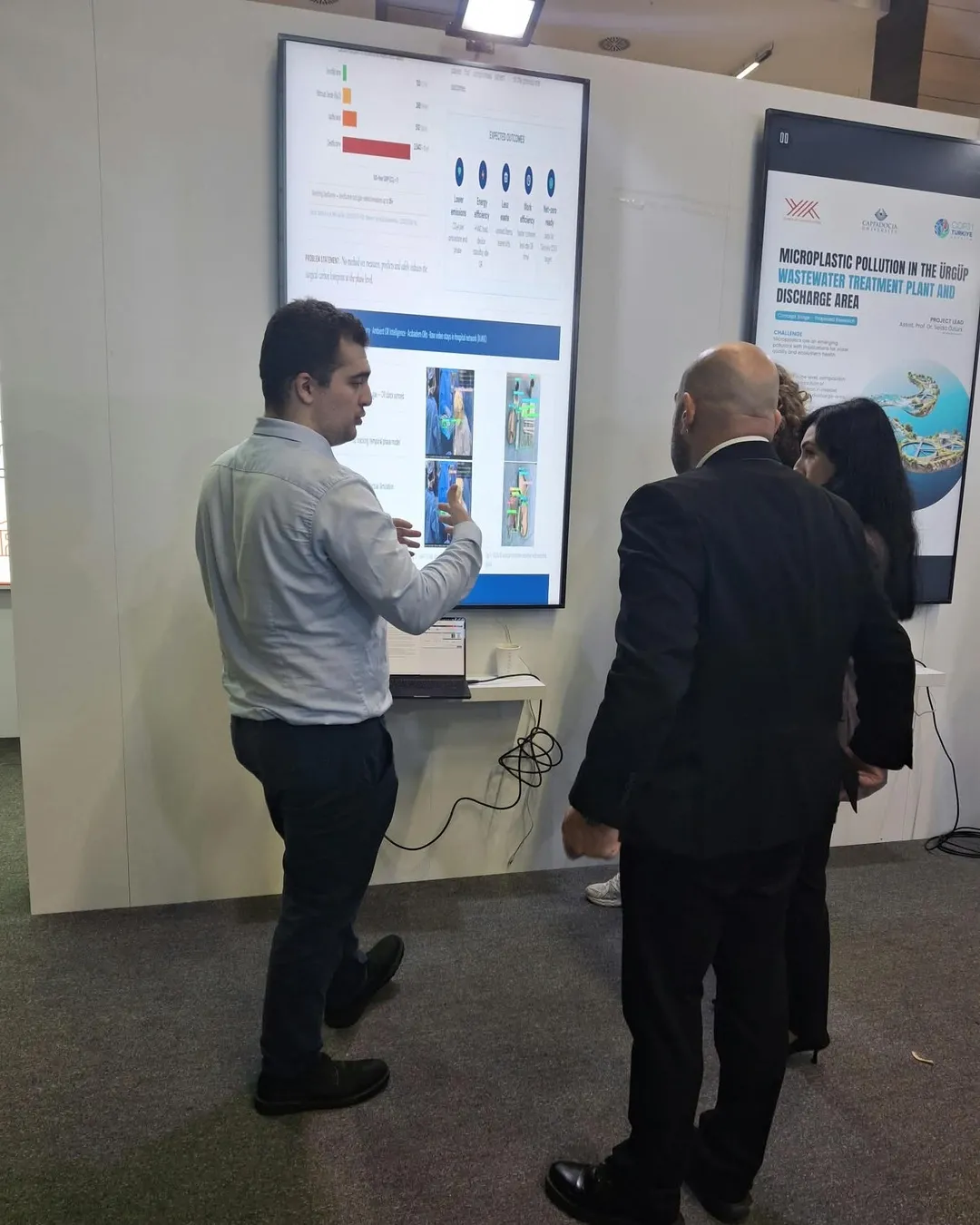
At the digital presentation area, we introduced “Green Surgery Intelligence,” developed by Assist. Prof. Efe Onganer and medical interns Ariorad Moniri and Umut Kılınçkaya. The project aims to optimize resource use in operating rooms through AI-powered methods and strengthen environmental sustainability in healthcare.
The projects we presented at COP31 demonstrated the broad scope of our University’s sustainability efforts across education, scientific research, technology, and societal contribution.
03 April 2026
Sustainability, Faculty of Pharmacy, Medical Pharmacology
19 August 2025
Sustainability
20 June 2025
Sustainability